Research Purity
What purity means for peptide research reagents, how it is measured, and why reported purity must be presented transparently.
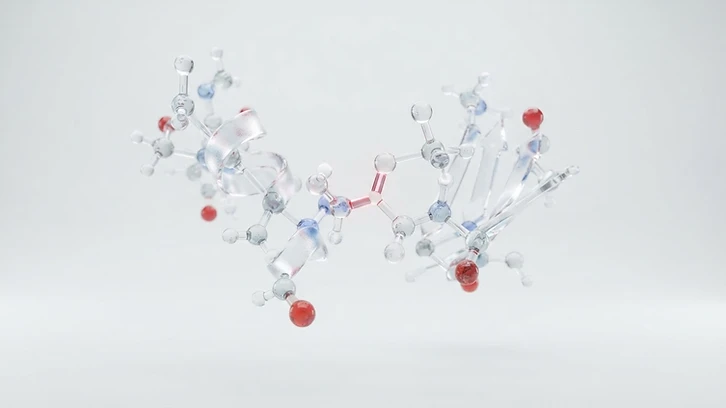
Purity refers to the proportion of the target peptide in a preparation relative to impurities such as deletion sequences, protecting-group remnants or solvent. It is most commonly assessed by reverse-phase HPLC, expressed as a percentage of the main peak area.
Reported purity values describe the analytical measurement of a specific preparation. They do not, on their own, guarantee biological activity, which depends on sequence integrity, folding and the specific assay context.
In scientific cataloging, purity should be reported as measured, without inflation. Where a value has not been independently verified for a given lot, this must be disclosed rather than presented as confirmed data.
This article is provided for educational and research-context purposes only and does not constitute medical advice. For primary sources, consult PubMed / NCBI .