Scientific Information
A professional knowledge center providing educational and scientific context on peptide research, chemistry, classification and methodology.
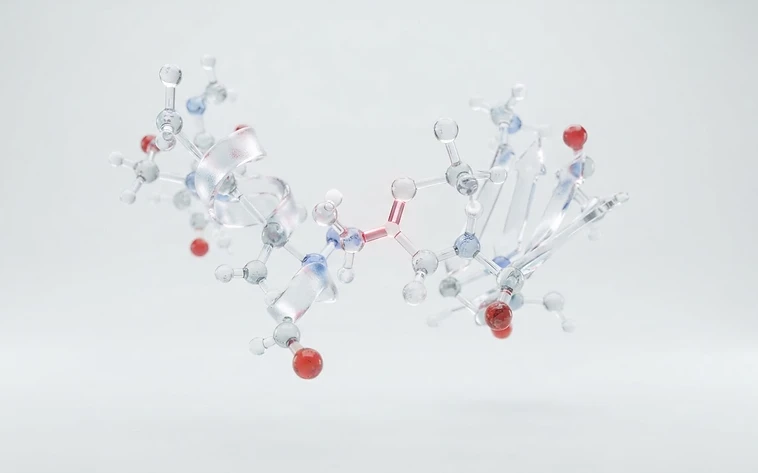
Peptide Research
Peptides are short chains of amino acids (typically 2–50 residues) linked by peptide bonds. They are studied as signaling molecules, research reagents and biochemical tools across metabolic, neurological, immune and longevity research.
Peptide Chemistry
Peptide chemistry concerns the synthesis, modification and characterization of peptide sequences. Solid-phase peptide synthesis (SPPS), first described by Merrifield, enables the laboratory assembly of defined amino-acid sequences used in research.
Molecular Biology
In molecular biology, peptides serve as probes for receptor binding, enzyme activity and intracellular signaling. Their defined sequences allow precise investigation of structure–activity relationships in cellular and biochemical models.
Research Categories
Peptide Hub Biotech World Wide organizes peptide reagents into six categories reflecting major research domains: metabolic & endocrine signaling, tissue repair & migration, weight management, longevity, cognitive & neurological, and immune signaling & inflammation.
Scientific References
Scientific references are drawn from authoritative databases including PubMed, NCBI and peer-reviewed journals. Each product page links to relevant literature searches rather than claiming specific study endorsements.
Research Resources
Researchers are encouraged to consult primary literature, regulatory databases (FDA, EMA) and established biochemical reference databases when evaluating peptide reagents for laboratory investigation.
How peptides are classified
Peptides are generally categorized by chain length, biological origin and functional class.
Dipeptide / Tripeptide
2–3 amino acid residues (e.g., GHK-Cu, KPV).
Oligopeptide
Short chains of up to ~10–20 residues (e.g., Epitalon, BPC-157).
Polypeptide
Longer peptide chains (e.g., Thymosin Alpha 1, TB-500-related sequences).
Authoritative scientific sources
Researchers should consult primary literature and recognized databases when evaluating peptide reagents.
PubMed — National Library of Medicine
Comprehensive biomedical literature database.
NCBI — National Center for Biotechnology Information
Genomic, molecular and chemical databases.
U.S. Food and Drug Administration (FDA)
Regulatory information on drugs and biologics.
European Medicines Agency (EMA)
European regulatory agency for medicines.
Protein Data Bank (PDB)
3D structures of proteins and nucleic acids.