Peptide Storage and Stability
A peptide's integrity depends on handling as much as on synthesis. Even a high-purity peptide can degrade or adsorb to surfaces if it is stored or reconstituted incorrectly, which is why storage and handling guidance is part of reproducible peptide research.
Lyophilized storage
Lyophilized (freeze-dried) peptides are most stable at -20 C, protected from moisture and light. The lyophilized powder should be kept sealed with desiccant until use. At room temperature and ambient humidity, hygroscopic peptides absorb water and can begin to degrade or aggregate over time.
Before opening a vial, let it equilibrate to room temperature to avoid condensing atmospheric moisture onto the cold powder — a common cause of accelerated degradation.
Reconstitution and handling
Reconstitute peptides in the solvent appropriate to their sequence — often sterile water or dilute acetic acid for basic peptides, or aqueous buffer. The COA or supplier guidance should indicate a suitable solvent. Avoid repeated vortexing and foaming, which can denature or adsorb the peptide.
Once in solution, peptides are far less stable than in the lyophilized state. Aliquot the reconstituted solution into single-use volumes so that each experiment draws from a fresh aliquot rather than repeatedly freezing and thawing one stock.
Minimizing degradation
Repeated freeze-thaw cycles, exposure to warmth, and adsorption to plastic surfaces all reduce the effective peptide concentration. Working aliquots kept on ice and used promptly minimize these losses. For sequences containing methionine, cysteine or tryptophan, oxidative degradation is a particular concern and storage under inert conditions can help.
Recognizing these factors — and documenting the lot and handling in your notebook — is what keeps peptide data reproducible across experiments and suppliers.
Featured research peptides
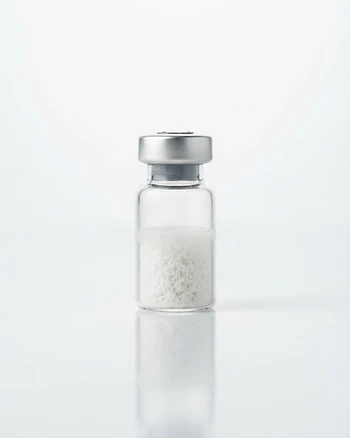 Cognitive & Neurological99.2%
DSIP
Delta sleep-inducing nonapeptide studied in circadian and sleep-related research.
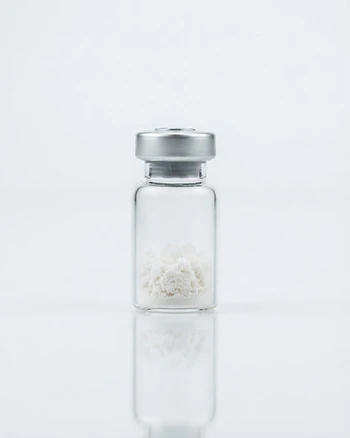 Cognitive & Neurological99.6%
Selank
Synthetic heptapeptide studied in neurological signaling and behavioral research.

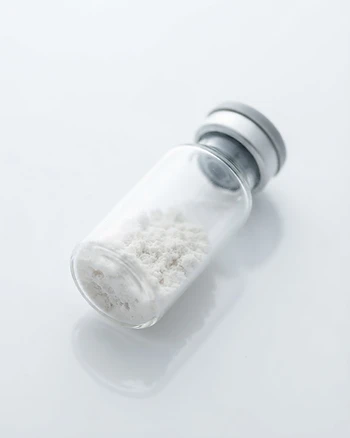 Cognitive & Neurological99.3%
Semax
Synthetic heptapeptide analogue studied in neuroplasticity and cognitive research.
Related resources
Peptide Hub Biotech World Wide provides research compounds and scientific information for laboratory research use only. Products are not intended to diagnose, treat, cure or prevent any disease. This article is presented for research context and is not medical advice.